

Emergency Preparedness for Families: A Local Guide from Springhill Medical Center
Emergencies don’t wait, and when health surprises strike, having a clear family emergency plan can make all the difference. You deserve the confidence that expert care is just minutes away at Springhill Medical Center’s 24-hour emergency room. In this guide, you’ll find simple steps to prepare your family, keep important contacts handy, and know where to turn for care in Webster Parish and Southwest Arkansas. Let’s make sure you’re ready when it matters most. For more resources, visit Ready.gov.
Creating Your Family Emergency Plan
Taking the first steps to prepare your family for emergencies is crucial. A well-thought-out plan ensures you can act swiftly when it matters most. Here's how you can start building a robust family emergency plan.
Key Steps for Preparedness
Begin by discussing potential emergencies with your family. Identify situations you might face, such as severe weather or health crises. Make sure every family member knows what to do if these situations arise. Develop a communication strategy: select a meeting point and designate a contact outside your immediate area. This contact can relay information if local communication lines are down.
Next, create a strategy for evacuations. Know different routes from your home and consider transportation needs. Ensure everyone, including children, knows what to take when evacuating. Remember, the key to effective planning is regular practice. Conduct family drills every few months to reinforce the plan. These exercises help everyone stay calm and reduce panic during real emergencies.
Building a Health Emergency Checklist
A health emergency checklist is essential for any family. Start by listing vital information, like medical conditions and medications for each family member. Include contact details for doctors and the closest hospital. Keep this list accessible, perhaps on the fridge or in a home office.
Prepare a first-aid kit with basics like bandages, antiseptic wipes, and pain relievers. Also, consider items specific to your family's needs, such as asthma inhalers or EpiPens. For more comprehensive guidance, check the Red Cross emergency plan resources. Make sure to update your emergency supplies regularly. Check expiration dates on medications and refresh your water and food supplies.
Knowing Your Local Healthcare Resources
Understanding the healthcare resources near you can provide peace of mind. In Springhill and the surrounding areas, several options are available for urgent and routine care.
Springhill Medical Center’s 24-Hour Emergency Room
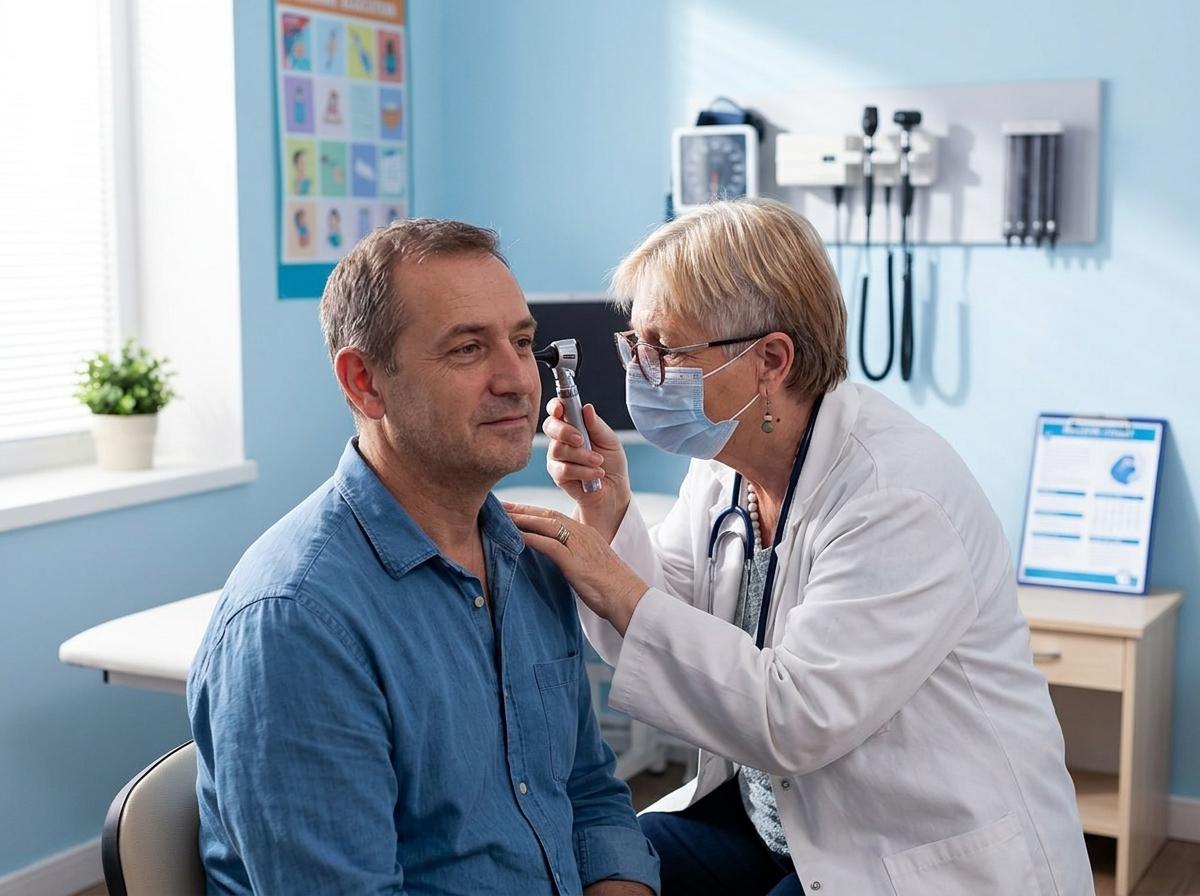
When emergencies strike, knowing that you have access to a 24-hour emergency room can be a lifesaver. Springhill Medical Center offers immediate care with a dedicated team ready to handle crises. Our facility is equipped with modern technology to address a wide range of emergencies, from cardiac issues to trauma care. This proximity to expert care means less time worrying about where to go and more time focusing on your loved ones.
Our team is not just skilled but also part of the community. They understand the unique needs of local residents, providing personalized care that treats you like family. With a local ER, you don’t have to travel far to get the care you need. For a deeper dive into planning for emergencies, visit Texas Ready.
Rural Health Clinics and Preventive Care
Beyond emergency care, maintaining regular health check-ups is vital. Springhill's rural health clinics offer convenient access to preventive services. These services include screenings and vaccinations that keep chronic conditions in check. Regular visits to our clinics can prevent minor issues from becoming major problems. We focus on building long-term relationships with patients, ensuring consistent and comprehensive care.
Preventive care is about more than just check-ups. It’s about creating a health strategy tailored to your needs. By engaging with your local healthcare providers, you can proactively manage your health. Remember, staying healthy is about taking small steps today for a healthier tomorrow. To explore more about creating a comprehensive plan, see the Emergency Preparedness Toolkit.
Staying Prepared for Storms and Emergencies
Natural disasters are unpredictable, but your response doesn’t have to be. By preparing for storms and emergencies, you can protect your family and ensure their safety.
Assembling a Medication Emergency Kit
A medication emergency kit is crucial for managing health needs during a disaster. Start by gathering a week's supply of essential medications for each family member. Include prescriptions, over-the-counter drugs, and any medical equipment required. Store this kit in a waterproof container or bag, and keep it in an easily accessible location.
Remember to include a list of each medication, the dosage, and the prescribing doctor’s contact information. Having this information on hand can save valuable time during an emergency. Check your kit regularly, rotating medications to keep them current. This simple step can make a significant difference when every second counts.
Setting Up ICE Emergency Contacts
In emergencies, having ICE (In Case of Emergency) contacts can expedite assistance. Ensure each family member's phone has ICE contacts set up. This includes listing trusted individuals who are aware of your medical needs. These contacts can coordinate with medical professionals if you're unable to communicate.
Consider adding Springhill Medical Center as an ICE contact. This ensures that you or your loved ones can quickly connect with local healthcare providers. Updating these contacts regularly is crucial, especially after significant life changes. With these simple preparations, you can face emergencies with confidence and calm.
By following these steps, you're not just preparing for emergencies, you're ensuring peace of mind for you and your loved ones. The longer you wait to plan, the more vulnerable you become. Start today and take control of your family's safety.

Comments